Table of Content
In our opinion, the bigger the screen, the better in a home theater. Kayla Dube has 4+ years' experience in videography and filmmaking. She frequently works in production with indie film companies. And you cannot pass high definition audio through optical at all.
The extender cable provides clearance for your other accessories and plugs on the HDMI ports. Connect the other end of the HDMI cable out from the AV receiver io an HDMI input on the back of the TV. If you are mounting the TV on the wall and it is a tight fit, you can get a right angle HDMI adapter so the cable can fit in the back. But, a soundbar will usually only have one optical input . Be sure to line up the shape of your cable’s connector with your device’s input, but don’t force it! Once the two line up correctly, inserting your cable should be seamless.
Step 4: Configure your TV to Recognize the New Connections
To connect the cable IN port on the back of the cable box to the cable outlet in your wall. – take a digital optical cable and use it to connect your TV to your receiver. – take the other HDMI cable and connect one end to the HDMI OUT port on the back of your cable box and the other end to one of the remaining HDMI IN ports on the back of your receiver.
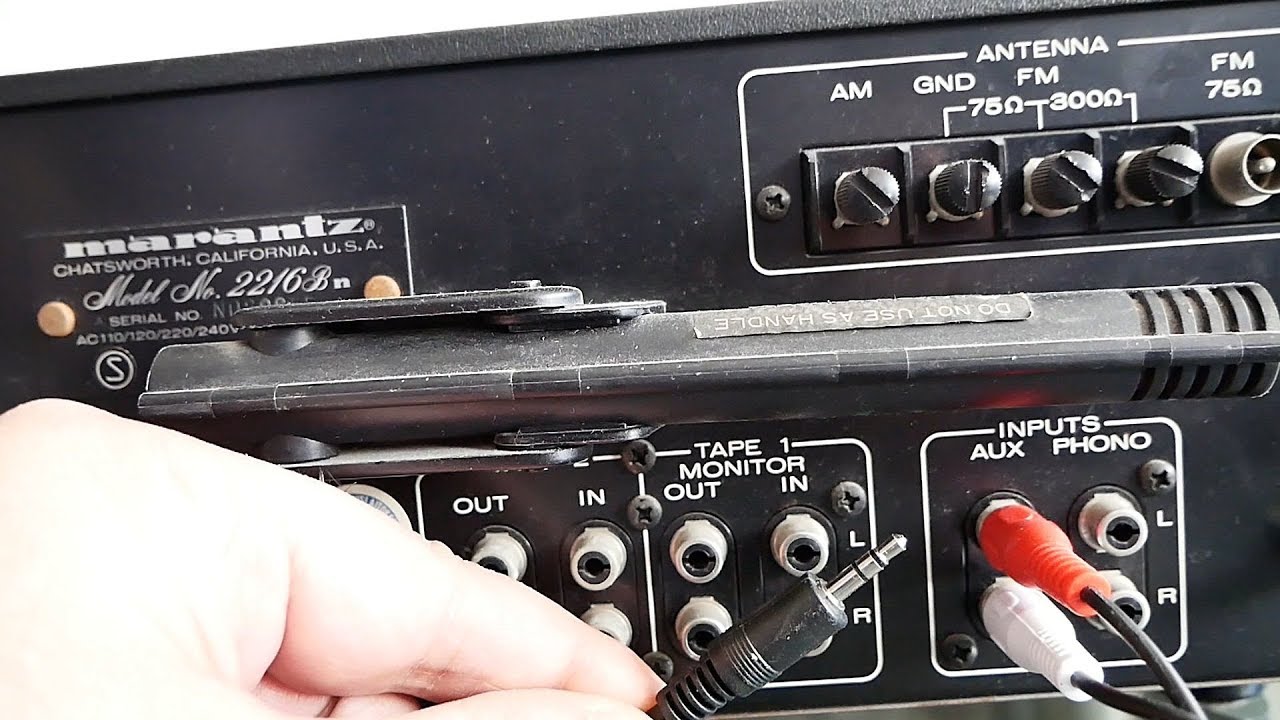
Before you start turn off and unplug all components before making connection and do not turn on the TV until connection setup is completed. Your first step is to figure out what kind of audio output your TV has and plug that into an audio input on your sound bar, receiver or home theater system. Of course, your receiver or soundbar will need to have a corresponding input of the same type in order to accept and process audio from the TV. If not, you may need an adapter to get the job done. Sometimes you'll have more than one choice so we'll help you find the best option.
Use a Digital Optical Output Connection
However, in some cases, your brand of TV is only compatible with audio systems or home theater receivers from the same brand. For example, if you have a Samsung TV, you will need a Samsung receiver or audio player, and the same goes for other brands of TVs. Using a Bluetooth connection can sometimes lead to issues with syncing, and the audio might begin to lag a bit behind the video on your TV. Connect the other sides of the RCA cables to the audio input ports of the home theater receiver. Be sure to use the same color ports as those you used on the TV unless the receiver states that the colors are different. Connect the color cable that is the same as its corresponding port and the cable with a different color to the other port.
Connect one side of the HDMI cable to your HDMI input port on your TV. Since all televisions can produce sound straight out of the box, many people may be wondering why they would want or need to connect their television to a home theater system in the first place. As you can see, home theater receivers do a lot of things that will automatically make your home theater system work more efficiently and make your home viewing experience more enjoyable. Now let us talk about why you would want to have a home theater receiver at all. Select the category or device you want to connect to your TV. Set the TV and the audio system to the composite input.
Setting Up a Home Theater Network System
It's easy to get carried away while buying equipment only to realize that your TV and/or speakers are too big for your living room! Load and view movies and videos through your TV with your PC. A home theater utilizing 5.1 channels is the most commonly used setup. Set the output of your source device, (BluRay Player, streaming device, etc.), to "Bitstream." This will cause the decoding of the signal to occur in the receiver instead of in the source device. And I keep seeing this "ARC" thing, but don't know what it is? Also, in order to see the receiver's settings screen, wouldn't I need to connect the receiver to the TV via HDMI?
So long as the port on both the TV and receiver are ARC enabled, that should take care of you. If your TV and your audio device both support Audio Return Channel, you want to insert a high speed HDMI cable into the first HDMI port on the back of your LG TV. In two of the following three cases, we are going to use HDMI cables because we assume that most of you have relatively modern equipment that supports HDMI connection. Connecting your TV to a home theater receiver will make managing different entertainment devices easier and ensure that you do not need to suffer watching your favorite TV show or movie with bad sound. There are many ways to connect your TV to your home theater receiver, so you are sure to find what works for you. If you have problems or are not comfortable connecting your home theater receiver to any external devices, call a professional to help you set your home theater system up.
The Home Theater Receiver
You can also use wireless technology like Bluetooth or add a wireless adapter to your TV. The method you use will depend on the models of your TV and home theater receiver. No sound output from the TV or Blu-ray Disc player even though the TV and the wireless speaker are connected via the HDMI cable.
This should work with most TVs you may already own as many were manufactured with these outputs. No sound when a cable box is connected to the AV receiver using an HDMI cable. Refer to the manual of the audio system and the source device for model-specific information regarding the various audio settings and capabilities. But as you may have noticed, even the gnarliest of old gear can find new life, adding improved sound to your TV or projection system once you have the right cables, adapters and knowledge.
Then, connect another HDMI cable directly from the satellite receiver to another HDMI input on the TV. If you’re interested in setting up your audio system with optical cables, read ahead to follow our easy step-by-step guide. Components include other video input options, so make sure that they're evenly spaced and not overcrowded. Place the rear speakers side by side along the center of the back wall. This allows them to work together to grab your attention.
Connect your HDMI-ARC cable to the HDMI port of your TV. Of course, the method that you use will depend on the type of TV and the type of home theater receiver you have.
The setup procedure is different if you have a video projector instead of a TV. Connect the antenna directly to your TV if you receive TV programs via the antenna. If you have a smart TV, make sure it is connected to the internet. Below is a general outline of how to connect these different components. The first step is knowing what components you'll need for your home theater. Below is a list of standard components to consider.


No comments:
Post a Comment